

“Flushable” wipes, very blocked drains.
Wet wipes — often marketed as flushable — can cause serious blockages in residential plumbing. Unlike toilet paper, which disintegrates easily in water, wet wipes are made from durable materials that don't break down, accumulating in pipes over time.


Rated 5.0 by locals
4,000+
Drains cleared across Melbourne
Signs you have a wet wipe blockage
Stay ahead of wet wipe blockages by identifying the signs before they turn into a bigger issue. These are the symptoms to watch for:
Slow draining fixtures
Water draining slowly from sinks, toilets or tubs can indicate a buildup of wet wipes in the pipes.
Frequent clogs
Repeated clogs — especially in the bathroom or laundry — often point to wet wipes as the culprit.
Gurgling noises
Gurgling sounds from plumbing fixtures may suggest air is trapped behind a wipe blockage.
Foul odours
Unpleasant smells from your drains can signal wet wipes and other debris trapped in the plumbing.
Water backups
Water backing up into your sink, toilet or bathtub when other fixtures are used is a sign of a significant blockage.
Wipes don't break down — they build up
When wet wipes are flushed down the toilet or washed down the sink, they quickly combine with other debris and form stubborn clogs that ordinary flushing can't shift.
Where wipes strike
Toilets
Flushed wipes accumulate in the pipes and prevent proper water flow, leading to backups and potential overflows.
Sewer lines
Wipes that make it past the smaller pipes gather in the main sewer line, affecting your entire plumbing system.
Laundry drains
Cleaning wipes rinsed into laundry tubs snag on fittings and bind with lint into dense clogs.
What it can lead to
- Severe blockages — accumulating wipes can obstruct water flow completely, causing slow drainage or backups
- Pipe damage — untreated wipe blockages contribute to corrosion and damage to your plumbing over time
- Increased plumbing costs — frequent wipe-related clogs mean costly repairs and maintenance if left untreated
Best methods for wet wipe removal
If you suspect wet wipes are behind your blocked drains, we have effective solutions to address the issue:
Mechanical snaking
Specialised drain snakes remove wet wipes and debris built up in your pipes, restoring normal drainage.
Hydro jetting
High-pressure water jets clear out wet wipes and other blockages, leaving your pipes clean and flowing properly.
Eco-friendly drain cleaning
Environmentally safe cleaning options that break down any remaining debris without damaging your plumbing.
Toilet auger solutions
For homes with frequent wipe blockages, a toilet auger helps dislodge stubborn clogs quickly.
How to prevent wet wipe blockages
The golden rule: only the three Ps down the toilet. Here's how to keep wipes out of your drains:
Bin wipes, don't flush them
Always dispose of wet wipes in the rubbish rather than flushing them — even the “flushable” ones.
Educate your household
Make sure everyone at home understands that nothing but toilet paper should be flushed.
Use drain strainers
Strainers in sinks and showers catch debris before it can enter the plumbing system.
Regular maintenance
Routine inspections and drain cleaning catch potential wipe issues before they escalate.
Troubleshooting this problem
Suspect wet wipes are blocking your drains? A few checks and DIY steps you can try first:
- 1
Inspect your drains
Check your sinks, toilets and tubs for visible wipe buildup or clogs.
- 2
Monitor drainage
Pay attention to any slow-draining fixtures, especially in the bathroom.
- 3
Check for odours
Stay alert to foul smells coming from your drains, which can indicate a wipe blockage.
- 4
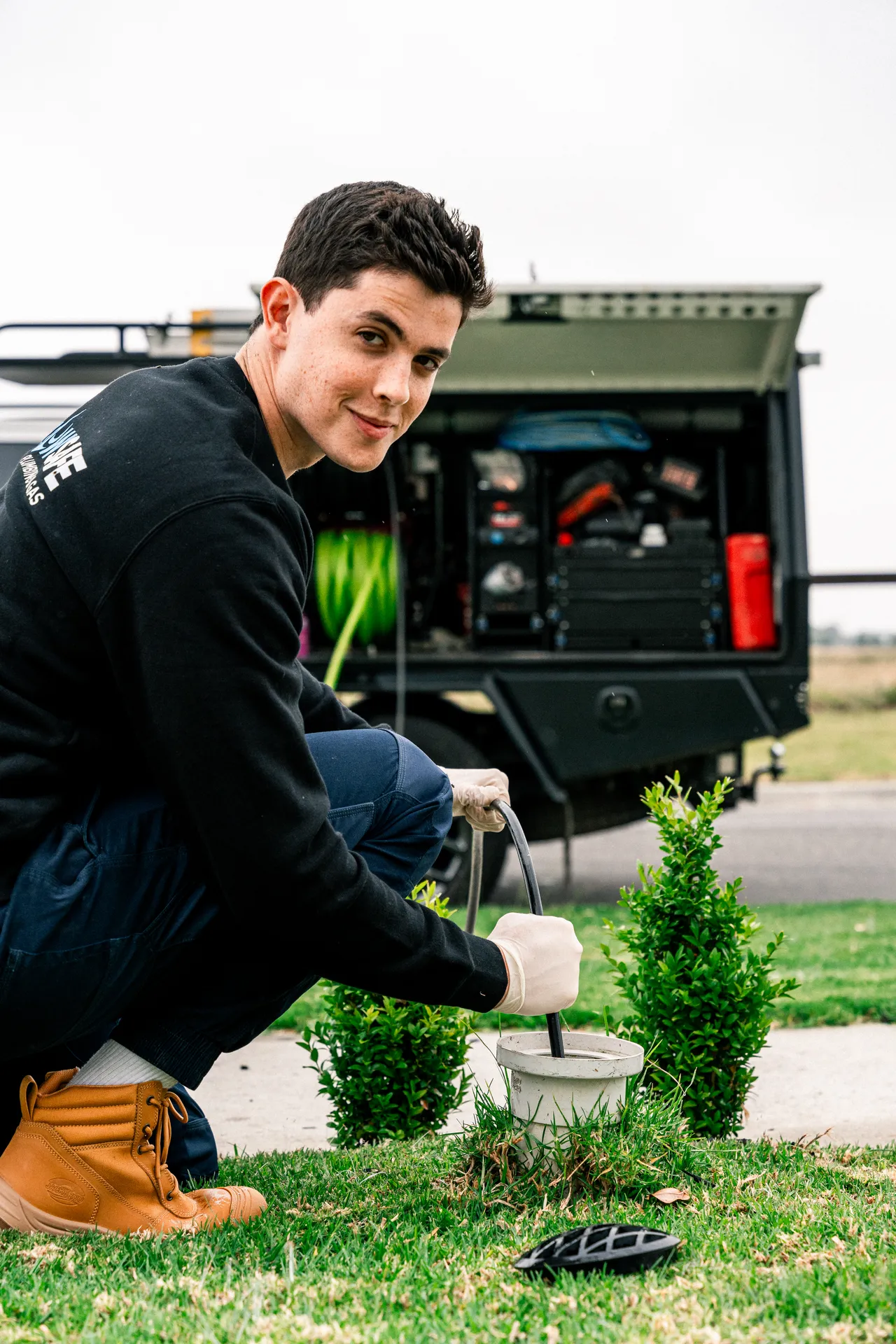
Use a plumber's snake
If you have one, gently use it to pull wipes out of the drain.
- 5
Try baking soda and vinegar
This natural solution can help break down minor blockages when flushed with hot water.
If these methods don't work, it's time to call a professional plumber — wipes rarely dissolve, so DIY fixes only go so far.

Ready when your drains aren't.
No call-out fee, CCTV diagnosis and same-day clearing — backed by the Flow Safe Plumbing team.
Wipe blockages, cleared with precision
Mr Drainage is the team Melbourne trusts to tackle even the toughest wet wipe blockages with speed and precision. Armed with cutting-edge technology, we identify the root cause fast and deliver targeted solutions that work.
24/7 emergency service
Plumbing problems don't wait, and neither do we. Our team is available around the clock to get your drains back in working order.
Fixed, transparent pricing
No surprises — clear, upfront pricing with no hidden fees, so you know exactly what to expect before we begin.
Customer-centred approach
From first contact to job completion, we ensure clear communication, timely service and a smooth, hassle-free experience.
Why wait? Call Mr Drainage at any hour.
Our 24/7 team is ready to restore your drains to their pre-blockage condition - no matter the scale. Avoid costly damage and get a fast response today.
Wet wipe blockage FAQs
What Melbourne households ask us about wipes in their drains.
How can I tell if wet wipes are clogging my drains?
Look for signs such as slow drainage, frequent clogs, gurgling noises and unpleasant odours — especially around toilets.
Can wet wipes really damage my plumbing?
Yes. Wipes accumulate into significant blockages that can lead to backups, overflows and damage to your pipes.
Are “flushable” wipes actually safe to flush?
No. Even wipes marketed as flushable don't break down like toilet paper, and they're a leading cause of drain and sewer blockages.
What is the best way to remove wet wipes from drains?
Mechanical snaking and hydro jetting are the most effective methods for removing wet wipe blockages from pipes.
How can I prevent wet wipes from clogging my drains?
Always bin wipes instead of flushing them, educate your household, and keep up regular drain maintenance.
More blockage causes